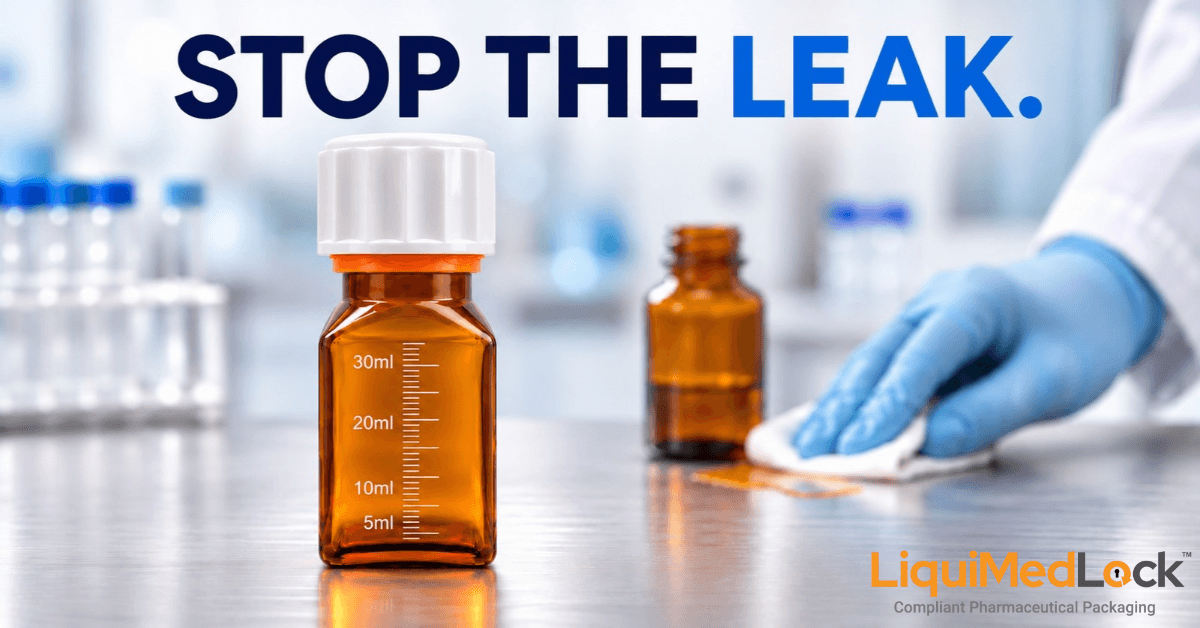
Stop the Leak: Why Methadone Bottle Leakage Becomes a Workflow Problem
The bottle problem is rarely just the bottle
Leakage is easy to describe as a packaging defect. Inside a busy dispensing workflow, the consequences can travel further than the package itself.
A bottle that leaks during storage or handling may require staff to pause, identify what was affected, clean the area and follow the program’s own incident process before the workflow can continue. The exact response depends on the program, but the common problem is the same: packaging has created work that should not have been there.
That interruption lands on clinical staff
Nurses and dispensing teams are already managing dose preparation, patient flow, documentation and the controls built into their program. When a bottle becomes another item to troubleshoot, it competes with the work they are actually there to do.
This is why leakage should not be evaluated only as a product-quality issue. It is also a workflow issue.
Reliable containment should be the baseline
LiquiMedLock methadone bottles are specified as leakproof. The closure system also incorporates a leakproof valve, so containment is built into the bottle-and-closure design rather than added as a separate sealing step.
The closure seats with one downward twist and an audible, tactile click. A built-in orange tamper-evident band changes after first open. Those features serve different jobs, but they are part of the same objective: make the bottle dependable and easier for staff to understand.
The right test is the real workflow
A spec sheet can tell you what a bottle is designed to do. The clinic should decide how it performs in practice.
Close it. Store it the way your team stores take-home bottles. Stage it in the same trays or bins. Move it through the same handling steps. Turn it on its side. Leave it in the fridge overnight. Ask the staff who actually handle the bottles whether the package stayed contained and whether the closure was clear.
A small bottle. A big job.
The bottle does not run the program. It does not replace clinical judgment or documentation. Its job is narrower and very practical: contain the medication, close clearly, show first opening and stay out of the way of the shift.
If leakage is still part of your team’s routine, eligible OTP and MAT programs can request a free 15-bottle LiquiMedLock sample kit and put the product through the same workflow they use today.
blog

When Leakage Repeats Across a Network, Packaging Becomes an Operations Decision
For multi-site OTP and MAT operators, a recurring bottle problem can multiply across nursing, operations and compliance workflows. Packaging deserves to be evaluated at network scale.
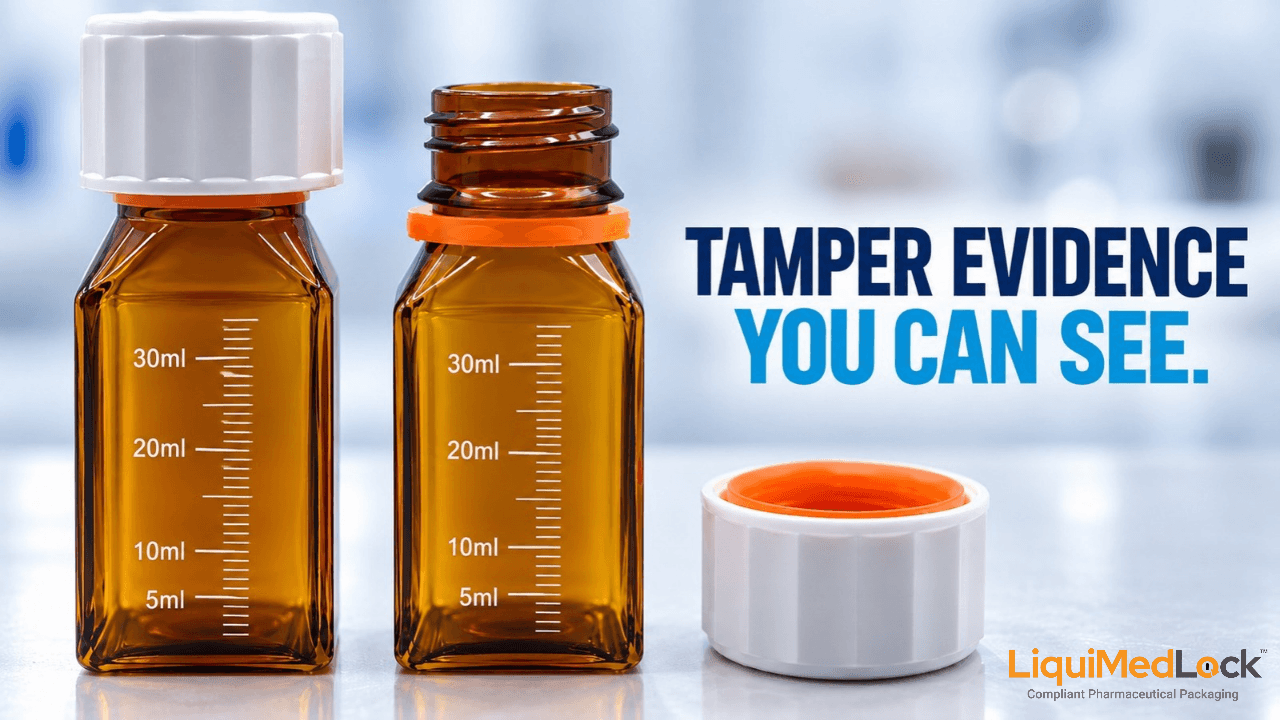
Tamper Evidence You Can See: Why Visible Status Matters
A practical look at visible tamper evidence in methadone dispensing and how package-level status can support OTP procedures.
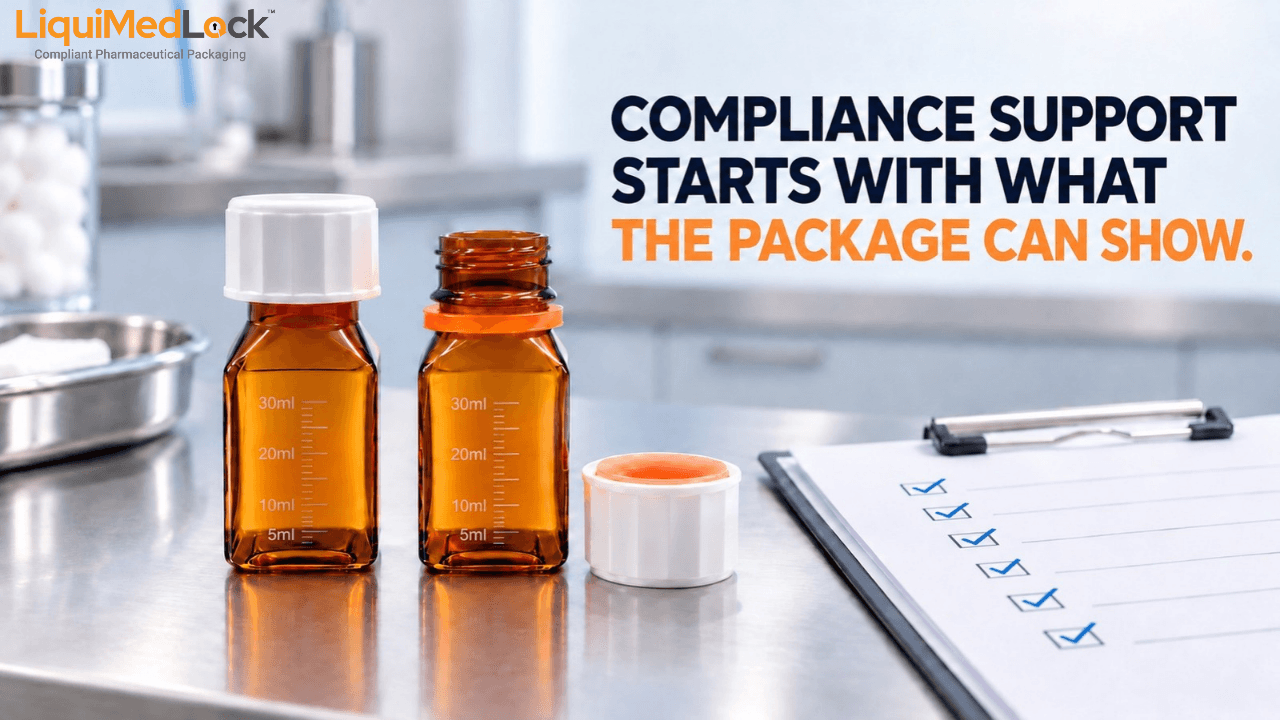
What Compliance Support Should Mean in Methadone Packaging
Methadone packaging cannot guarantee OTP compliance, but it can support program procedures with visible tamper evidence, appropriate closure formats and clear physical cues.