
Where Efficiency Actually Lives in Methadone Dispensing
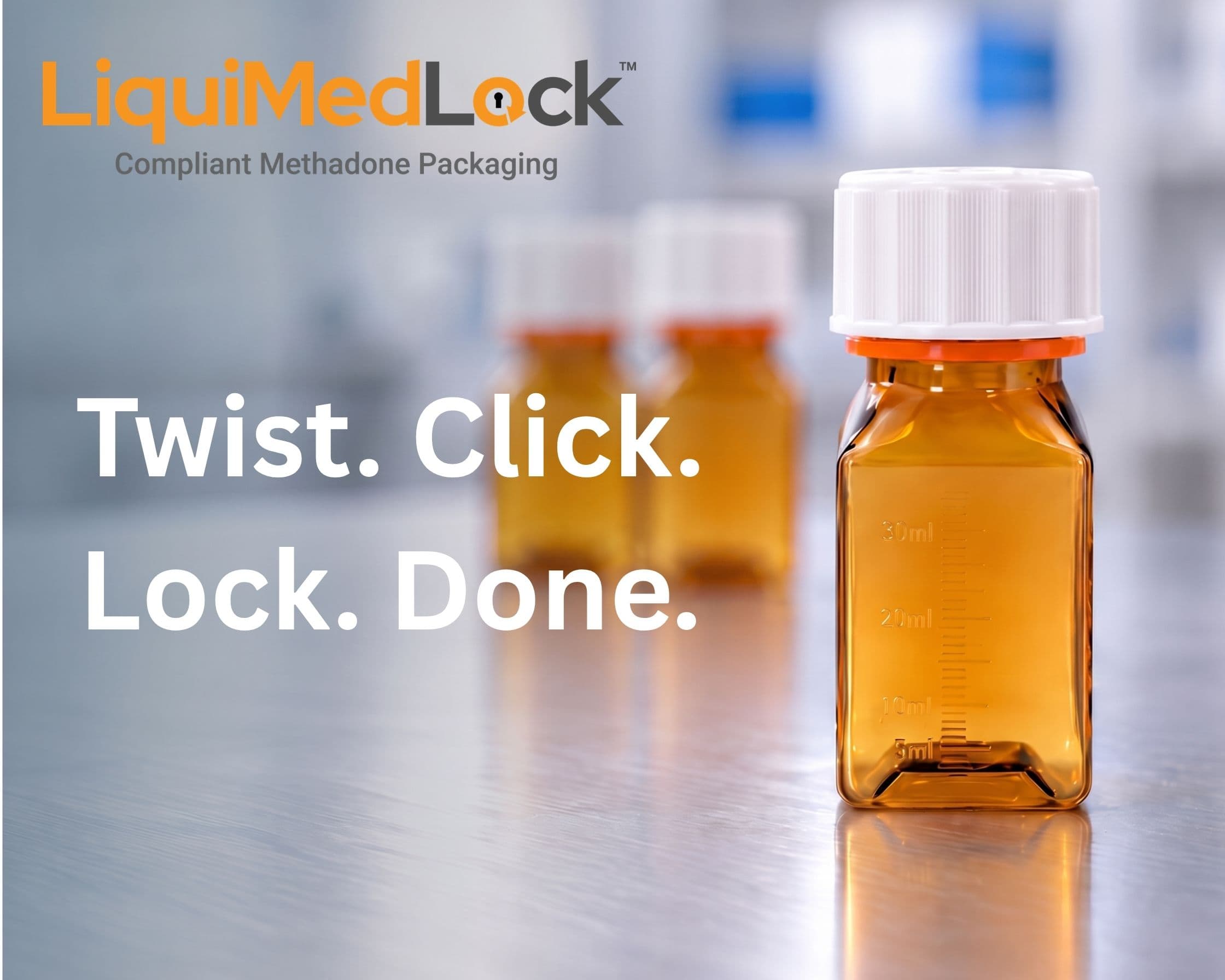
Efficiency in an OTP is rarely created by one dramatic change. More often, it comes from small tasks that are repeated so many times they become part of the rhythm of the shift.
Start with the closure step
Every bottle has to be closed. That makes the closure one of the most repeatable packaging interactions in methadone dispensing.
LiquiMedLock uses a one-step click-lock closure that seats with a single downward twist and gives an audible, tactile click. The tamper-evident mechanism is built into the closure, so no separate seal is required.
The product also ships with bottles and caps matched together, removing a separate pairing step at receiving and setup.
Why seconds matter only when they repeat
LiquiMedLock's current approved time-saving figure is approximately nine seconds per bottle compared with traditional sealing workflows.
At 300 bottles a day, that is roughly 45 minutes. Across a five-day week, it is about four hours. The point is not to turn a bottle into a stopwatch. The point is to make repetition visible.
Traditional induction heat sealing requires dedicated equipment and a foil seal, with staff reopening the bottle to confirm the seal held. Pressure-sensitive foam seals add a separate sealing component. LiquiMedLock combines closure and tamper evidence into one system.
Efficiency has to fit the actual workflow
The square bottle profile is designed for grip and space-efficient packing, and the product is available in multiple sizes and closure formats for different dispensing applications.
A useful efficiency discussion looks at the whole interaction: receiving, matching components, closing, checking, staging and moving the bottle to the next step.
Let the team evaluate the repeated task
Eligible OTP and MAT programs can request a free 15-bottle LiquiMedLock sample kit with matched bottles and caps so staff can test the closure inside their own routine.
A small bottle. A big job.
Month one of the campaign makes the first part of that job visible: efficiency in the work that happens again and again.
blog

When Leakage Repeats Across a Network, Packaging Becomes an Operations Decision
For multi-site OTP and MAT operators, a recurring bottle problem can multiply across nursing, operations and compliance workflows. Packaging deserves to be evaluated at network scale.

Stop the Leak: Why Methadone Bottle Leakage Becomes a Workflow Problem
A leaking methadone bottle can create cleanup, inspection and documentation work inside an OTP or MAT workflow. Here is why containment belongs in the packaging decision.
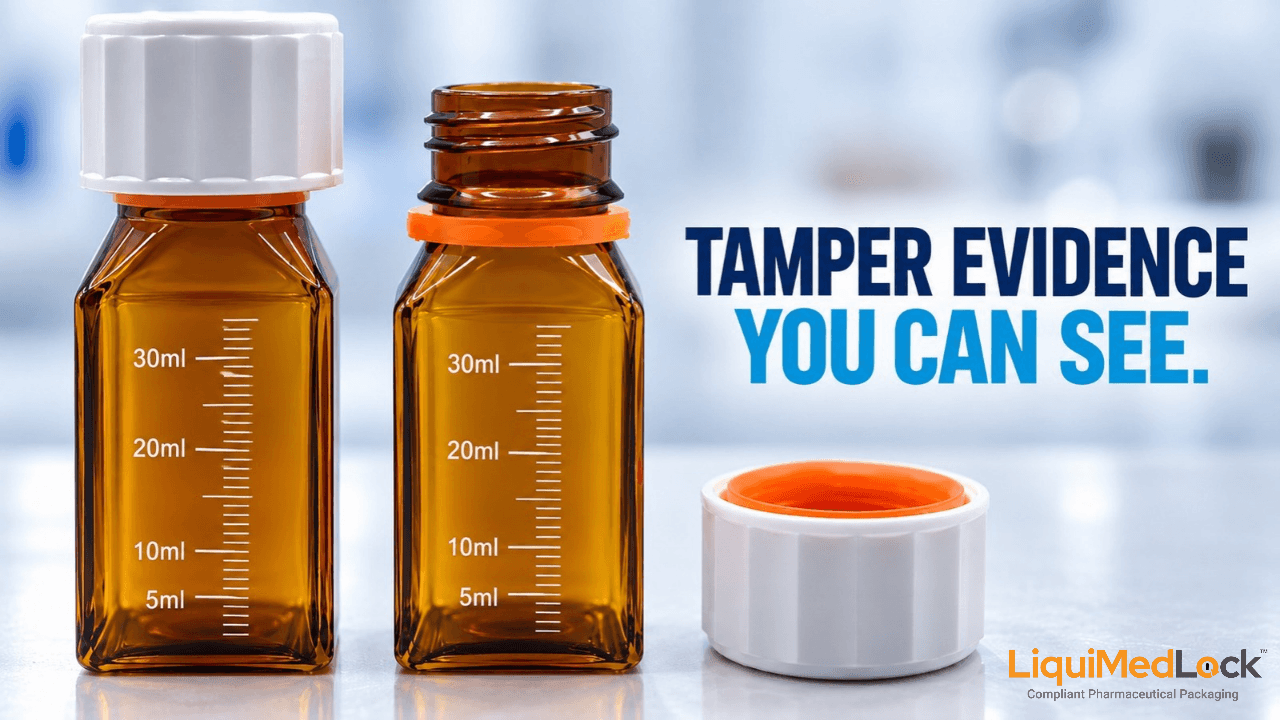
Tamper Evidence You Can See: Why Visible Status Matters
A practical look at visible tamper evidence in methadone dispensing and how package-level status can support OTP procedures.